Showing posts with label #Viand. Show all posts

Friday, May 10, 2024

Boneless Milkfish Steak 🐟


🐟 **Boneless Milkfish Steak Recipe** 🐟

If you're looking for a healthy and flavorful seafood dish, Boneless Milkfish Steak is a fantastic choice.
With its tender texture and mild taste, Milkfish is a versatile ingredient
that can be easily transformed into a delicious meal.


**Ingredients:**
- 2 boneless Milkfish steaks
- 2 tablespoons soy sauce
- 1 tablespoon calamansi juice (or lime juice)
- 2 cloves garlic, minced
- Salt and pepper to taste
- 1 tablespoon olive oil
- Sliced onions and bell peppers for garnish


**Instructions:**

1. **Marinate the Milkfish:**
In a shallow dish, place the Milkfish steaks and season them with soy sauce, calamansi juice, minced garlic, salt, and pepper. Allow the steaks to marinate for at least 30 minutes to absorb the flavors.

2. **Cook the Milkfish:**
Heat olive oil in a skillet over medium heat. Once the oil is hot, add the marinated Milkfish steaks and cook for about 3-4 minutes on each side, or until they are cooked through and slightly browned.


3. **Garnish and Serve:**
Remove the cooked Milkfish steaks from the skillet and place them on a serving plate. 
Garnish with sliced onions and bell peppers for added flavor and color.

4. **Enjoy:**
Serve the Boneless Milkfish Steaks hot alongside steamed rice or a fresh salad.
The delicate flavor of the Milkfish, combined with the savory marinade,
makes for a delectable and nutritious meal that's sure to satisfy your taste buds.


This Boneless Milkfish Steak recipe is simple yet incredibly delicious, making it a perfect option for a quick and healthy dinner.

Feel free to customize the marinade with your favorite herbs and spices to suit your taste preferences.

Give this recipe a try and savor the delightful flavors of Milkfish in a whole new way.

Bon appétit!


---
I hope you enjoy cooking and savoring this delightful Boneless Milkfish Steak. 

Let me know in the comment below if you have any more questions or need assistance with anything else!
---


#Viand,#Ulam,
#BangusSteak,
#MilkfishSteak,
#BonelessMilkfishSteak,
#FoodieAdventures,
#FoodPorn,#FishSteak,
#istariray23menu, 
#istariray23moments,
#istariray23foodporn,
#istariray23photography,
#istariray23foodphotography,


Sunday, June 04, 2023

Beef 🥩 Nilaga


Beef Nilaga is a traditional Filipino dish known for its comforting flavors and simplicity. "Nilaga" means "boiled" in Tagalog, which perfectly describes the cooking method for this dish. It typically consists of tender beef chunks, vegetables such as cabbage, carrots, and potatoes, along with savory broth and seasonings.

The beauty of Beef Nilaga lies in its hearty and satisfying nature. The slow simmering of the beef allows it to become incredibly tender and flavorful, while the vegetables absorb the delicious broth, creating a nourishing and comforting meal. It is often enjoyed during rainy or colder days as it brings warmth and a sense of home.

Beef Nilaga is not only a delicious dish but also a reflection of Filipino culture and culinary heritage. It showcases the simplicity and resourcefulness of Filipino cooking, utilizing basic ingredients to create something truly comforting and tasty.

Whether enjoyed with steamed rice or eaten on its own, Beef Nilaga is a delightful dish that warms the heart and satisfies the palate, making it a beloved favorite among Filipino households.

Here's a simple recipe for Beef Nilaga:

Ingredients:
- 1 kg beef shank or stewing beef, cut into chunks
- 4-5 cups water
- 2 onions, peeled and quartered
- 3 cloves garlic, minced
- 2-3 potatoes, peeled and quartered
- 2 carrots, peeled and sliced into thick rounds
- 1 small cabbage, cut into wedges
- Fish sauce (patis) or salt, to taste
- Ground black pepper, to taste
- Optional: 1 bundle of pechay (bok choy) or green beans

Instructions:
1. In a large pot, add the beef chunks and water. Bring to a boil and let it simmer for about 1-2 hours or until the beef becomes tender. Skim off any scum that rises to the surface.

2. Once the beef is tender, add the onions and garlic to the pot. Simmer for another 5-10 minutes until the onions soften and the flavors meld together.

3. Add the potatoes and carrots to the pot. Let them cook for about 5 minutes or until they start to become tender.

4. Next, add the cabbage wedges and season with fish sauce (or salt) and ground black pepper according to your taste. You can also add a bit of patis for additional flavor if desired.

5. If using pechay or green beans, add them to the pot during the last few minutes of cooking as they cook relatively quickly.

6. Continue simmering the beef nilaga until all the vegetables are cooked through but still retain their texture. Adjust the seasoning if necessary.

7. Serve hot in soup bowls with steamed rice on the side. Enjoy the warm and comforting flavors of Beef Nilaga!

Remember, you can always adjust the ingredients and quantities according to your preference. Feel free to add other vegetables that you enjoy, too. 

Enjoy your homemade Beef Nilaga!


#beefnilaga,
#nilagangbaka,
#ulam,
#viand,
#sabaw,
#istariray23menu,
#istariray23recipe,


Sunday, February 12, 2023

Sinigang na Hipon


This is my favorite comfort food in any weather and at any time of the year😊

Sinigang na Hipon is a classic Filipino dish that is beloved for its tangy and savory flavors. The dish typically consists of shrimp cooked in a sour broth, which is achieved by using tamarind as the base flavoring. It is a popular choice among Filipinos, particularly during rainy seasons or when someone is craving a comforting and hearty soup.

The sourness in Sinigang na Hipon comes from the tamarind soup base, which provides a unique and refreshing taste to the dish. This sourness is balanced with the sweetness of the shrimp and the richness of the other vegetables added to the soup, such as onions, tomatoes, radishes, eggplant, and leafy greens like kangkong or spinach.

The use of shrimp adds a delightful seafood flavor to the soup, while the vegetables provide texture and additional nutrients. Sinigang na Hipon is often served with steamed rice, which helps to complement the flavors of the dish.

One of the wonderful things about Sinigang na Hipon is its versatility. You can adjust the ingredients and proportions based on personal preference and availability. Some variations include adding okra, gabi (taro root), or other vegetables you enjoy. Additionally, you can adjust the level of sourness by adding more or less of the tamarind soup base.

Overall, Sinigang na Hipon is a flavorful and comforting soup that showcases the staple flavors of Filipino cuisine. It is a dish that brings people together and is enjoyed by both locals and those who have had the pleasure of experiencing Filipino cuisine.

Tara luto tayo nang Sinigang Na Hipon😊

Sinigang na Hipon is a delicious Filipino soup made with shrimp and sour broth. Here's a simple recipe for you to try:

Ingredients:
- 1 lb fresh shrimp, cleaned and deveined
- 1 onion, chopped
- 2 tomatoes, quartered
- 2 cups leafy greens (kangkong or spinach are traditional choices)
- 2-3 pieces radish, sliced
- 1-2 eggplants, sliced
- 2-3 pieces long green chili peppers (siling pangsigang)
- 4 cups water or shrimp stock
- 1 pack sinigang mix (tamarind soup base)
- Salt or fish sauce (to taste)

Instructions:
1. In a pot, bring water or shrimp stock to a boil.
2. Add the onion and tomatoes to the boiling liquid and simmer for about 5 minutes until they soften.
3. Stir in the sinigang mix and let it dissolve completely.
4. Add the radish and eggplant to the pot and cook until they are tender (around 5 minutes).
5. Put the shrimp into the pot and cook for about 3-5 minutes until they turn pink and opaque.
6. Add the leafy greens and chili peppers, then season with salt or fish sauce according to your taste preference.
7. Simmer for an additional minute or two until the greens are wilted.
8. Serve the sinigang hot with steamed rice.

Feel free to adjust the ingredients and proportions based on your liking. Enjoy your homemade Sinigang na Hipon!

Wednesday, April 06, 2022

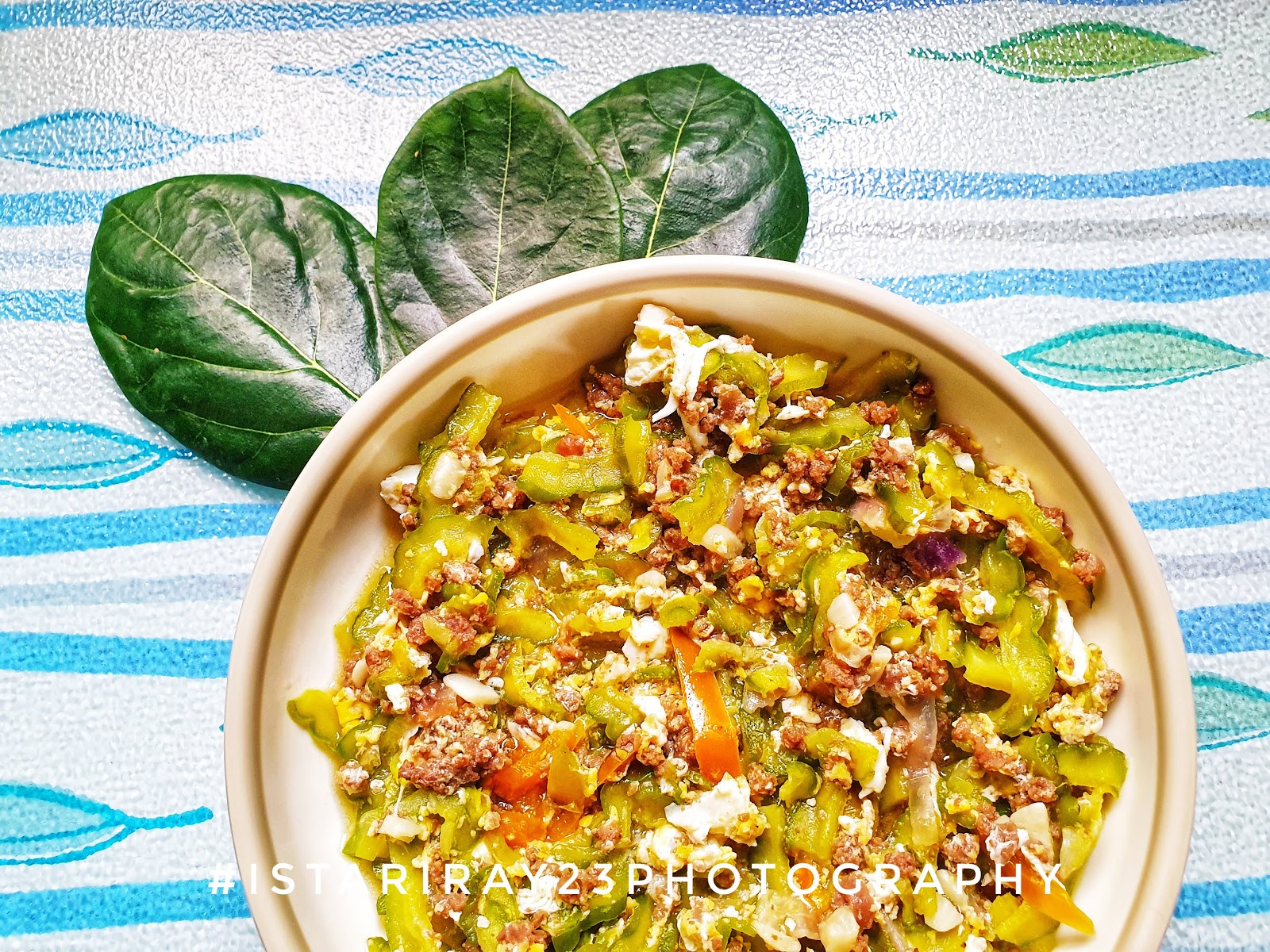
Menu_Ginisang Ampalaya


**Ginisang Ampalaya (Sauteed Bitter Gourd) Recipe**

Ampalaya, also known as bitter gourd or bitter melon, is a popular vegetable in Filipino cuisine known for its distinct bitter taste and numerous health benefits. When cooked right, it can be transformed into a delicious and nutritious dish that's perfect for any meal. Here's how you can make Ginisang Ampalaya:


Ingredients:
- 2 medium-sized ampalaya (bitter gourd), thinly sliced
- 2 eggs, beaten (optional)
- 1 onion, chopped
- 3 cloves garlic, minced
- 2 tomatoes, diced
- 1/4 cup pork or shrimp, sliced (optional)
- Salt and pepper to taste
- Cooking oil


Pork Giniling


Sliced Tomatoes 


Sliced Onion and Garlic


Heat cooking oil in a pan


«´¨`·..¤::*~*iStar23Tariray*~*:¤..·´¨`» 


How to prepare your Ampalaya or Bitter Gourd


Clean the inside and take out the seeds


Sliced it thinly


Cooking Tip: To lessen the bitterness of ampalaya, thinly sliced and 
soak the sliced ampalaya in salted water for about 15 minutes before cooking.


Soaked in salted water for 15 minutes


Instructions:
1. Heat oil in a pan over medium heat.
2. Sauté garlic and onions until fragrant.
3. Add the tomatoes and cook until soft.
4. Add the pork/shrimp (if using) and cook until browned.
5. Add the sliced ampalaya and cook until slightly tender.
6. If using eggs, push the ampalaya to the side of the pan and pour in the beaten eggs. Scramble until cooked.
7. Season with salt and pepper to taste.
8. Serve hot with rice.


Ginisang Ampalaya is not only tasty but also packed with vitamins and minerals.


Embrace the bitterness and enjoy this nutritious dish that's good for your health!


Give this recipe a try and let us know how it turns out! 😊


#Viand, #Ulam,
#FoodPorn,
#GinisangAmapalaya,
#SauteedBitterGourd,
#PinoyFoods,
#FilipinoFood,
#HealthyEating,
#HomeCooking,
#VegetarianFriendly,
#istariray23menu,
#istariray23foodporn,
#istariray23moments,
#istariray23photography,
#istariray23foodphotography,


Saturday, April 18, 2020

Photo Dump_Sinigang na Hipon

#Day 35 in Quarantine/Lockdown 18APR20

Capturing everything under my lenses. . .

Just like this one, our lunch for today.

Check my recipe on this link- Sinigang na Hipon ni iStariray23


#lifeunderquarantine, 
#lifeunderlockeddown, 
#sinigangnahipon,
#shrimpsinigang,
#Viand, #Ulam,
#FoodPorn,
#PinoyFoods,
#FilipinoFood,
#HealthyEating,
#HomeCooking,
#istariray23menu,
#istariray23foodporn,
#istariray23moments,
#istariray23photography,
#istariray23foodphotography,

Tuesday, May 02, 2017

Thoughtful Bunging-Ging

My daughter approached me last night and gave me something- telling me that she prepared my viand for tomorrow. Mind you she is only 10years old yet so advance on her age.

I opened it and saw chopped tomatoes, steamed camote leaves, bagoong alamang with calamansi.

If you grew up in the province this is not new to you as everyone I know who grew up there ate this kind of viand. Yes, this is a viand (ulam) already for me.

Awww, I thanked her for such a yummy, healthy, and delicious meal. 

All I need for tomorrow is to partner it with steamed rice.

Wow, such a lovely treat.


Thank you so much, Jedi for this simple yet delicious baon for me. 

I know you prepared this with love and all your might.

I appreciate it so much, dear. Praise YOU dear Jesus for this wonderful blessing.


#Viand,
#TalbosNgKamote,
#Bagoong,
#Kamatis,
#Tomato,
#Talbos,
#FishPaste,
#CamoteTops,
#istariray23moments,

Thursday, May 29, 2014

Chicken Curry


Chicken curry is a delicious and popular dish that originates from the Indian subcontinent but has gained popularity worldwide. It is typically made with a combination of chicken pieces, aromatic spices, and a rich sauce. Here's some information about chicken curry:

1. Ingredients: Chicken curry typically includes chicken pieces (bone-in or boneless), onions, garlic, ginger, tomatoes, spices such as cumin, coriander, turmeric, chili powder, and garam masala. Other ingredients like coconut milk, yogurt, and fresh herbs like cilantro can also be added to enhance the flavor.

2. Cooking Process: The cooking process usually involves marinating the chicken in a mixture of spices and yogurt for added tenderness and flavor. Then, the chicken is cooked with onions, garlic, and ginger to create a flavorful base. Tomatoes are added to the mixture, followed by spices, which impart the characteristic color and taste to the curry. The dish is slow-cooked until the chicken is tender and the flavors have melded together.

3. Variations: Chicken curry recipes can vary across regions and households. Some variations include adding coconut milk to create a creamier, milder curry. Others may use different spice combinations or include additional vegetables like potatoes, bell peppers, or peas.

4. Serving: Chicken curry is commonly served with rice or bread such as naan or roti. It can also be accompanied by side dishes like raita (yogurt-based condiment), pickles, or chutneys to add contrasting flavors.

5. Health Benefits: Chicken curry can provide various health benefits. Chicken is a good source of lean protein, while the spices used in curry, such as turmeric and ginger, possess anti-inflammatory properties. The inclusion of vegetables adds vitamins and minerals to the dish.

6. Cultural Significance: Curry dishes, including chicken curry, have cultural significance and are often enjoyed as a communal meal. In countries like India, Pakistan, and Thailand, curry is an integral part of everyday cuisine and is often prepared and shared during special occasions and festivals.

Whether you prefer a mild or spicy version, chicken curry offers a delightful blend of flavors and aromas that can be enjoyed by people of all backgrounds and tastes.


Ingredients: Chicken curry typically includes chicken pieces (bone-in or boneless), onions, garlic, ginger, tomatoes, spices such as cumin, coriander, turmeric, chili powder, and garam masala. Other ingredients like coconut milk, yogurt, and fresh herbs like cilantro can also be added to enhance the flavor.


Cooking Process: The cooking process usually involves marinating the chicken in a mixture of spices and yogurt for added tenderness and flavor. Then, the chicken is cooked with onions, garlic, and ginger to create a flavorful base. Tomatoes are added to the mixture, followed by spices, which impart the characteristic color and taste to the curry. The dish is slow-cooked until the chicken is tender and the flavors have melded together.


Here's a simple and delicious Filipino-style chicken curry recipe:

Ingredients:
- 500g bone-in chicken pieces (legs or thighs)
- 1 large onion, chopped
- 3 cloves of garlic, minced
- 1 thumb-sized piece of ginger, grated
- 2 medium-sized potatoes, peeled and cubed
- 1 carrot, peeled and sliced
- 1 red bell pepper, sliced
- 1 green bell pepper, sliced
- 1 cup coconut milk
- 1 cup chicken broth
- 2 tablespoons curry powder
- 1 tablespoon fish sauce (optional, for added umami flavor)
- 2 tablespoons cooking oil
- Salt and pepper to taste
- Fresh cilantro leaves, chopped (for garnish)

Instructions:
1. Heat the cooking oil in a large pot or deep pan over medium heat.

2. Sauté the onions until translucent, then add the garlic and ginger. Cook for another minute until fragrant.

3. Add the chicken pieces and cook until lightly browned on all sides.

4. Stir in the curry powder and cook for a minute to toast the spices.

5. Pour in the coconut milk and chicken broth. Bring to a simmer, then reduce the heat to low and cover the pot. Let it simmer for about 25-30 minutes, or until the chicken is cooked through and tender.

6. Add the potatoes and carrots, and cook for an additional 10 minutes, or until they are cooked but still firm.

7. Add the bell peppers and fish sauce (if using). Season with salt and pepper to taste.

8. Cook for another 5 minutes, allowing the flavors to meld together and the vegetables to soften slightly.

9. Once done, remove it from the heat and let it rest for a few minutes.

10. Serve the chicken curry in bowls, garnished with fresh cilantro leaves.

11. Enjoy your homemade Pinoy chicken curry with steamed rice or bread!

Feel free to adjust the spiciness level by adding more or less curry powder, depending on your preference. You can also add other vegetables like peas or green beans if desired. 

Enjoy your authentic Filipino chicken curry!


Search This Blog

Other Post

Blog Archive