Showing posts with label #karekare. Show all posts

Saturday, April 18, 2020

Menu_Beef Kare Kare


Been cooking Kare-Kare since I start to have my own kitchen. From there my passion for cooking started and of course, there's a lot of burned toast made, half-cooked rice, burned fried fish, and overcooked veggies and the story goes on...

I learned from it and been proud that my cooking ability developed over time. And this quarantine period I did enjoy cooking meals again for the family.

Let me share the easiest and simplest way to cook Pinoy Kare-Kare.

Pinoy Kare- Kare

Ingredients
1/4 kilo tripe, or tuwalya, cut into squares, rinsed, scrubbed well with salt
1/4 cup cooking oil
1 medium red onion, peeled, chopped
3 cloves garlic, peeled, chopped
1 bunch string beans, cut into 3-inch lengths
2 eggplants, cut into wedges
2 bunches pechay, separated
1 beef cubes
1/2 cup peanuts, pounded into a paste
2 pack of Mama Sita's Kare-Kare Mix
Bagoong, to serve

Tenderized the Ox Tripe
In a pressure cooker under medium heat, placed the 1/4 kilo tripe, or tuwalya, cut into squares, rinsed, scrubbed well with salt and the vinegar and bring to boil. After boiling 10 minutes, discard water and rinse. Refill with new water, put the beef cubes then bring to boil once again. Wait to simmer until ox tripe is tender then set aside.

Kare-Kare Soup preparation
Heat oil in a pot over medium heat.
Add chopped garlic until brown add chopped onions.
Then add your ox tripe, put 2 glasses of water then bring to boil, then simmer.

In a bowl, dissolve your Mama Sita's Kare-Kare Mix.
Once the mixture is already dissolved add it to your boiling ox tripe in the pot.
Then let it simmer for a while.
Add your 1/2 cup peanut already pounded into a paste.
Let it simmer until it thickens.
Stir carefully to avoid sticking
Add your vegetables such as string beans, eggplant, lastly is the pechay
Cook the veggies until done.

Serve your Kare-Kare with Bagoong and plain rice.


Pechay, Talong/Egg Plant, Sitaw/String Beans, Onions/Sibuyas, Garlic/Bawang


Mama Sita's Complete Kare-Kare Mix


Eggplant/Talong cut into wedges and Sitaw/String Beans 


Pechay already separated


This is the ox tripe that has been boiled to be tender with vinegar to eliminate odor.


Saute garlic and onion in medium heat cooking oil


Then add your ox tripe, put 2 glasses of water then bring to boil, then simmer.


Water already added water to boil with beef cubes.


In a bowl, dissolved Kare-Kare Mix
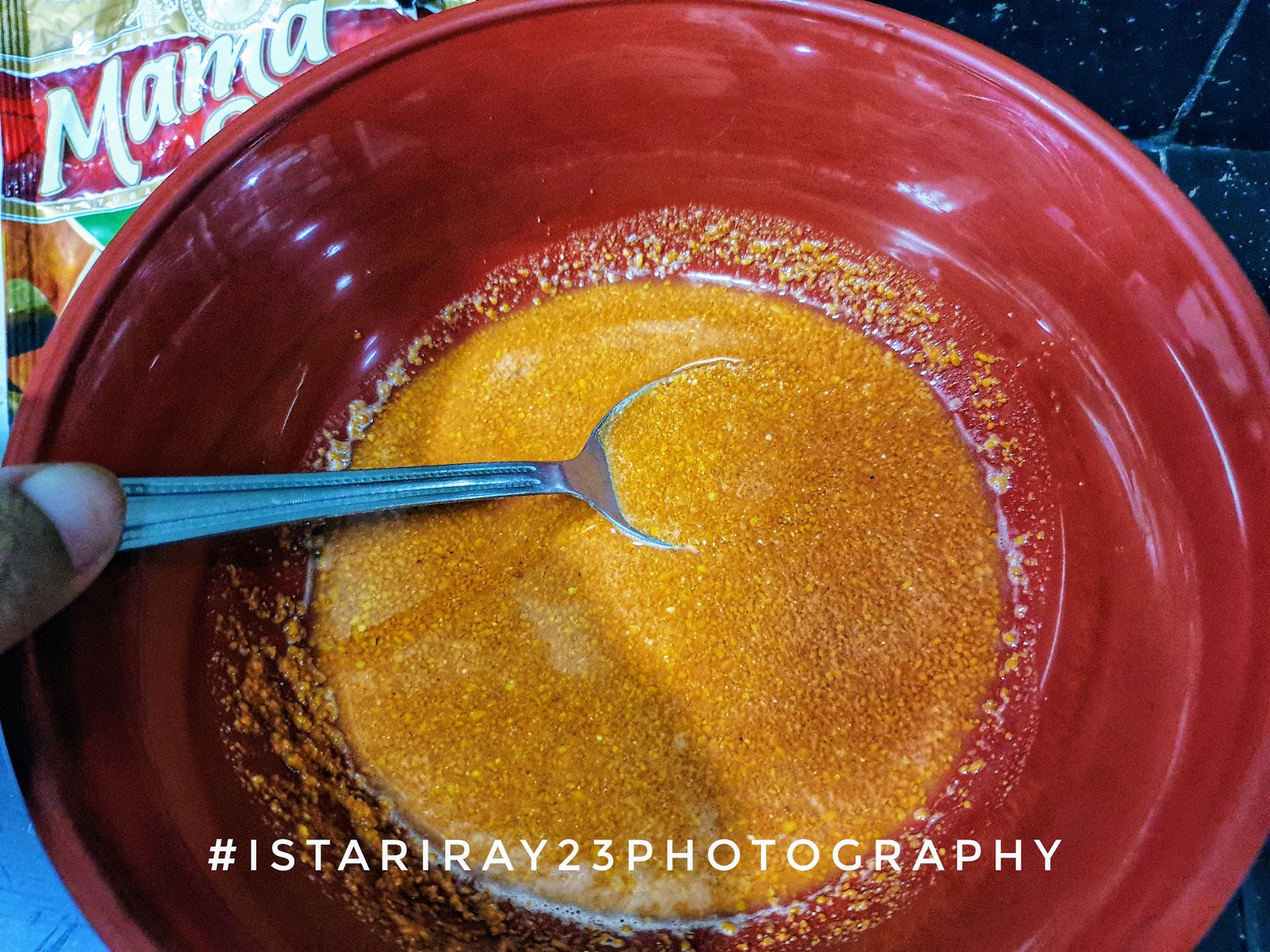

Put a little water to dissolve Kare-Kare Mix


Kare Kare Mix already added and the 1/2 cup pounded peanut.
Let it simmer until it thickens.


Then add the veggies


Keep stirring to prevent sticking


Veggies already cooked waiting to be served


Beef Kare Kare best paired with spicy Bagoong


#istariray23menu, #istariray23foodphotography, #istariray23foodporn, #istariray23cooking, #karekare, #pinoykarekare, #karekaremenu, #cookingkarekare


Saturday, August 22, 2015

Kare-Kare


Kare Kare is my Sweet Heart's Favorite Dish

Kare-Kare is a popular Filipino dish that is known for its rich, savory flavor. It is often considered a comfort food and is enjoyed by many Filipinos during special occasions and gatherings. Kare-Kare typically consists of tender beef or oxtail, vegetables, and a thick peanut sauce. The sauce is made from toasted ground peanuts, annatto (achuete) seeds for color, garlic, onions, and other seasonings.

One of the key ingredients in Kare-Kare is bagoong, a fermented shrimp paste that adds a unique and salty flavor to the dish. The combination of the nutty peanut sauce, tender meat, and an assortment of vegetables, such as eggplant, bok choy, and string beans, creates a delicious and hearty dish.

Kare-Kare is commonly served with steamed rice and is often enjoyed with a side of shrimp paste for added flavor. It is a dish that brings people together, as it is traditionally served family-style, allowing everyone to enjoy the different components of the dish.

While Kare-Kare is traditionally made with beef or oxtail, variations of the dish can also include other proteins such as pork, chicken, or seafood. Some people even prefer vegetarian versions, using tofu or other meat substitutes.

Overall, Kare-Kare is a beloved and flavorful dish in Filipino cuisine, showcasing the country's diverse flavors and culinary traditions. Its rich taste and comforting qualities make it a favorite among Filipinos and those who have had the pleasure of trying it.


How to cook Kare kare?

Cooking Kare-Kare requires a few steps to achieve its delicious flavors.

Here's a simplified recipe to guide you:

Ingredients:
- 1 kg of beef (or oxtail) cut into serving pieces
- 2 tablespoons of cooking oil
- 1 onion, chopped
- 4 cloves of garlic, minced
- 3 tablespoons of annatto (achuete) seeds
- 1 cup of peanut butter
- 4 cups of water or beef broth
- 1 eggplant, cut into thick slices
- 1 bundle of bok choy or pechay, ends trimmed
- 1 cup of string beans, cut into 2-inch pieces
- Salt and pepper to taste
- Bagoong (shrimp paste) for serving
- Optional: 1 banana blossom, sliced

Instructions:
1. In a large pot, heat the cooking oil over medium heat. Sauté the onions and garlic until fragrant and translucent.

2. Add the beef (or oxtail) to the pot and cook until browned. Stir occasionally to ensure even cooking.

3. Dissolve the annatto seeds in a little bit of water, then pour the mixture into the pot. This will give the dish its characteristic orange color.

4. Add the water or beef broth to the pot and bring it to a boil. Reduce the heat to low, cover, and let it simmer until the meat is tender. This may take around 1-2 hours, depending on the meat used.

5. Once the meat is tender, add the peanut butter to the pot. Stir well to combine and let it simmer for another 10 minutes.

6. Add the eggplant, bok choy (or pechay), string beans, and optional banana blossom. Simmer until the vegetables are cooked but still slightly crisp.

7. Season with salt and pepper to taste. Adjust the peanut butter or water/broth as needed to achieve your desired consistency and flavor.

8. Serve the Kare-Kare hot with steamed rice and a side of bagoong (shrimp paste).

Remember, these are general instructions, and you can always adjust the ingredients and proportions based on your taste preferences.

Enjoy your homemade Kare-Kare!


#KareKare,
#KareKareMenu,
#KareKareViand,
#KareKareDish,
#KareKareUlam,
#istariray23menu,
#istariray23Recipe,


Search This Blog

Other Post

Blog Archive