Sunday, May 01, 2022

Dear Joe


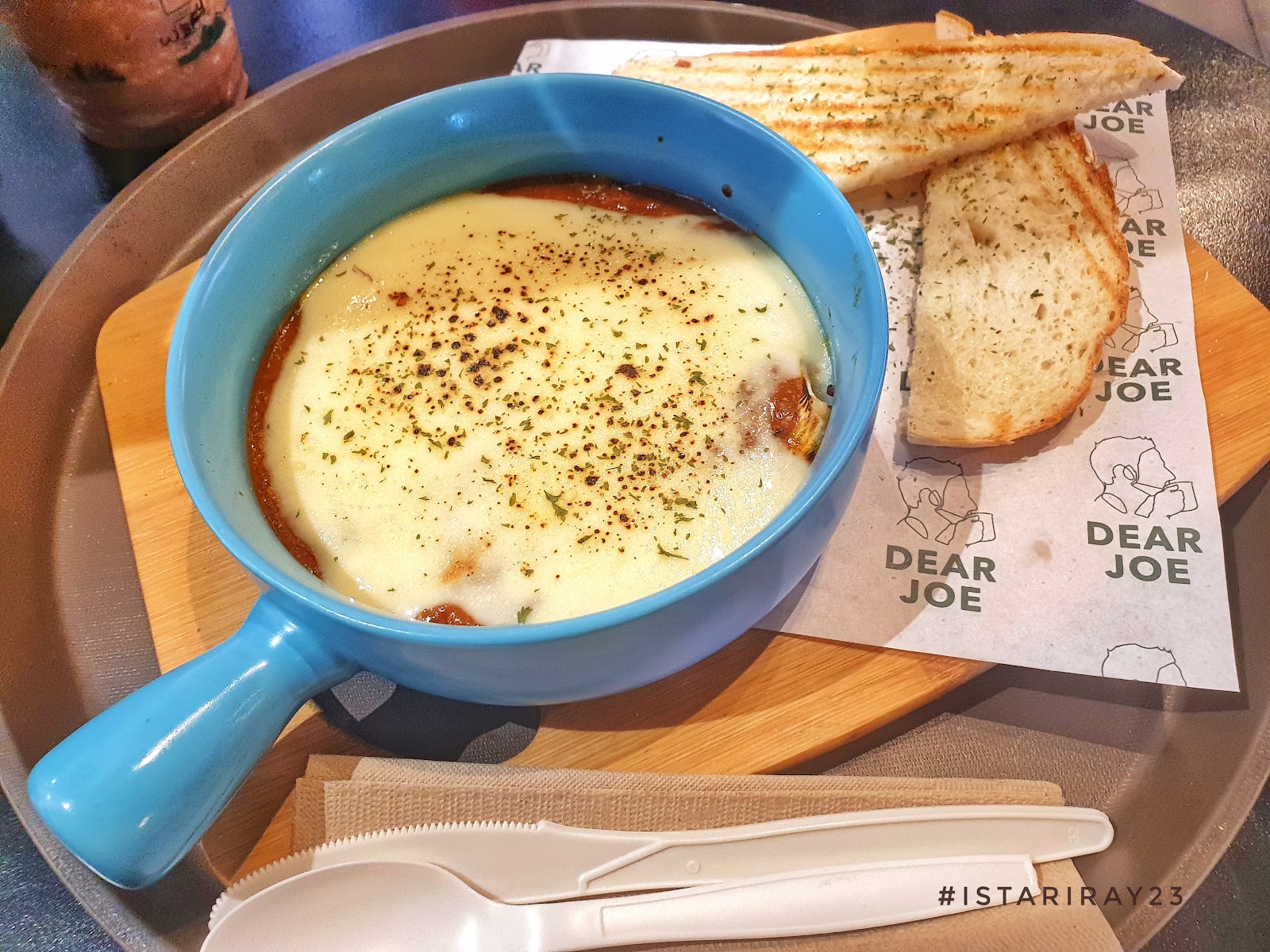
Dear Joe Café is a well-known coffee shop in the Philippines, specifically in major cities such as Las Piñas City. It has become a beloved destination for locals and tourists alike due to its charming ambiance, quality coffee, and delicious food offerings. The café is known for its warm and cozy atmosphere, making it a perfect place to relax or catch up with friends.


Dear Joe Café takes pride in serving a wide range of coffee selections, including both local and international brews. Whether you prefer a classic espresso, a creamy cappuccino, or a refreshing iced coffee, they have something to satisfy every coffee lover's taste. Besides coffee, they also offer a variety of teas, smoothies, and other beverages.


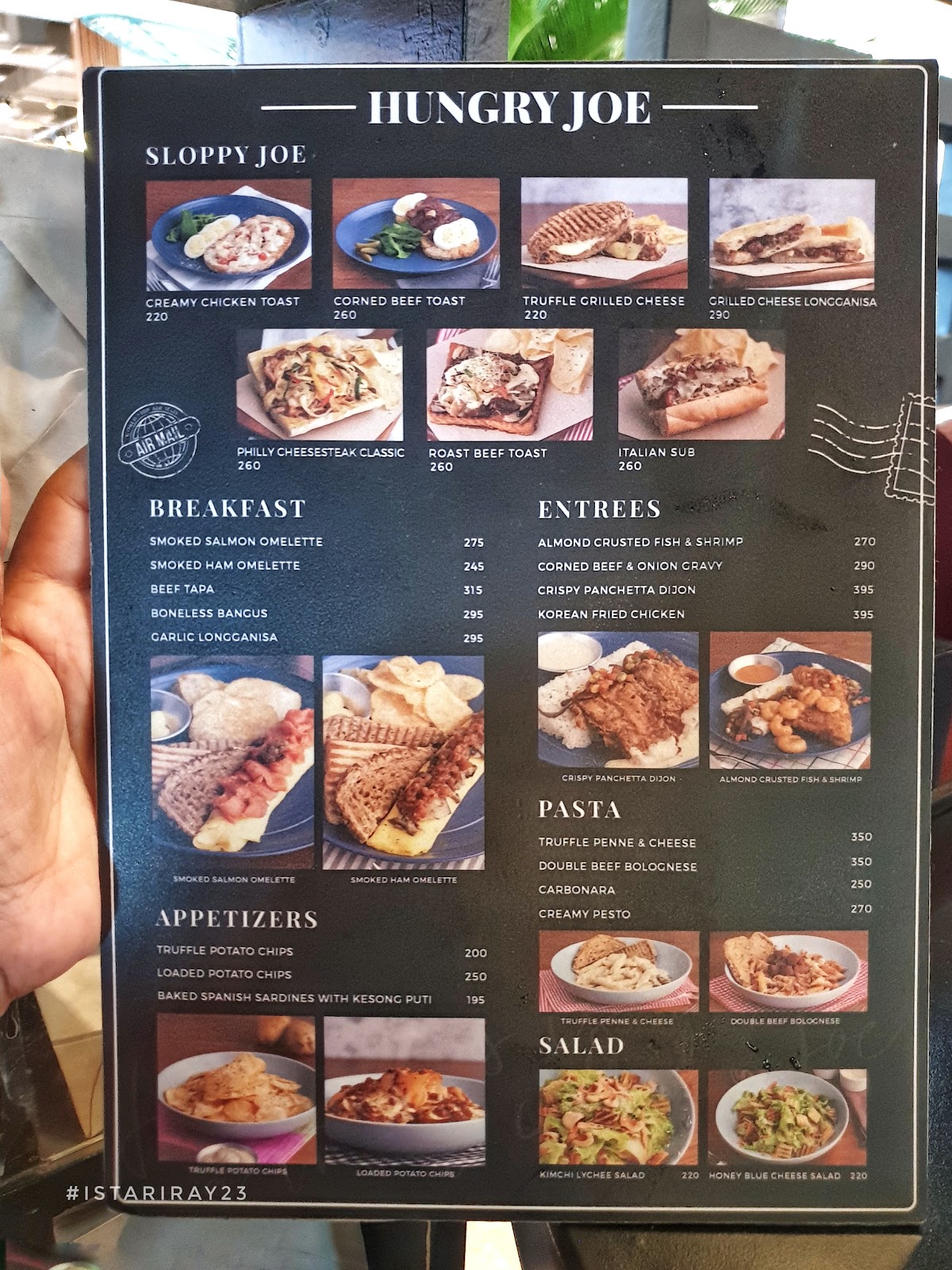
In addition to its delightful drink menu, Dear Joe Café serves a delectable array of homemade pastries, sandwiches, salads, and pasta dishes. This makes it a great spot not only for coffee enthusiasts but also for those looking for a quick snack or a fulfilling meal.


Overall, Dear Joe Café is known for its friendly and attentive staff, comfortable setting, and quality food and beverages. It has become an iconic coffee shop in the Philippines and continues to be a favorite among locals and visitors seeking a cozy and enjoyable café experience.


Dear Joe Cafe is also part of the Villar company and they are always present in ALL HOME establishments. 


#DearJoe,
#DearJoeCafe,
#CoffeeLovers,
#FoodieAdventures
#CozyVibes, #PhotoDump,
#FoodPorn, #CoffeePorn, 
#istariray23moments,
#istariray23foodporn,
#istariray23photography,
#istariray23foodphotography,


Tuesday, April 26, 2022

Tukneneg Street Food


**Tukneneng: A Popular Filipino Street Food**

Tukneneng is a beloved Filipino street food that is a variation of the famous "kwek-kwek." It is essentially a deep-fried hard-boiled egg covered in an orange-colored batter made of flour and annatto powder, giving it its distinct hue. The name "Tukneneng" is believed to have evolved from the term "itlog" (egg) and "penoy" (another type of boiled egg), combined to form the playful moniker.

This crispy snack is often skewered on bamboo sticks, making it convenient to eat on the go. Tukneneng is commonly served with a vinegar dipping sauce mixed with chopped onions and chili for an extra kick of flavor. Some vendors also offer sweet and spicy dipping sauces to cater to varying taste preferences.


What makes Tukneneng a popular choice among locals is its affordability, accessibility, and satisfying crunchiness. It's a favorite merienda (snack) option for many Filipinos, enjoyed both by young students looking for a quick and tasty treat after school and workers seeking a satisfying snack break during the day.

Tukneneng is not only a delicious snack but also a symbol of Filipino street food culture, reflecting the creativity and resourcefulness of local food vendors in concocting innovative dishes that appeal to the Filipino palate. So, when you're strolling around the bustling streets of the Philippines, be sure to try a serving of Tukneneng for a flavorful and crunchy snacking experience!


Tukneneng is a Filipino street food made from deep-fried battered hard-boiled eggs or itlog Pugo eggs. 
Here's a simple recipe for making Tukneneng:

**Ingredients:**
- 6-8 hard-boiled eggs, peeled
- 1 cup all-purpose flour
- 1/2 cup cornstarch
- 1 tsp baking powder
- 1 tsp salt
- 1/2 tsp ground black pepper
- 1 cup water
- 1 cup bread crumbs
- Cooking oil for frying
- Bamboo skewers or toothpicks

**Instructions:**

1. In a bowl, mix the all-purpose flour, cornstarch, baking powder, salt, pepper, and water to create a smooth batter. Adjust the consistency by adding more water if needed.

2. Place the bread crumbs in a separate shallow dish.

3. Heat the cooking oil in a deep pan or pot over medium heat.

4. Insert a bamboo skewer or toothpick into each hard-boiled egg.

5. Dip each egg into the batter, making sure it is completely coated.

6. Roll the battered egg in the bread crumbs until evenly coated.

7. Carefully lower the breaded egg into the hot oil and fry until golden brown. You can fry 2-3 eggs at a time, depending on the size of your pot.

8. Once the Tukneneng is fried to a golden crisp, remove it from the oil and place it on a paper towel-lined plate to drain excess oil.

9. Serve the Tukneneng with your choice of dipping sauce, such as vinegar with garlic, sweet chili sauce, or banana ketchup.

10. Enjoy your homemade Tukneneng as a delightful Filipino street food snack that's crispy on the outside and creamy on the inside.


How to make Vinegar Sawsawan or dippings with cucumber for your tukneneng street food.

**Vinegar Dipping Sauce with Cucumbers for Tukneneng:**

**Ingredients:**
- 1/2 cup vinegar (cane, white, or coconut vinegar)
- 1 small red onion, finely chopped
- 1-2 cloves garlic, minced
- 1 small cucumber, diced
- Salt and pepper to taste
- Sugar (optional)

**Instructions:**

1. In a bowl, combine the vinegar, chopped red onion, minced garlic, and diced cucumber.
   
2. Season the mixture with salt and pepper according to your taste preference. You can also add a pinch of sugar if you prefer a slightly sweet-sour taste.

3. Stir the ingredients well to combine and let the flavors blend together. You can adjust the seasoning by adding more vinegar, salt, or pepper as needed.

4. Let the vinegar dipping sauce sit for at least 15-20 minutes before serving to allow the flavors to meld together.

5. Serve the vinegar dipping sauce with your freshly cooked Tukneneng as a flavorful and refreshing condiment. The crunchiness of the cucumber adds a nice texture contrast to the crispy Tukneneng.

6. Enjoy your Tukneneng with this zesty vinegar dipping sauce featuring the cool and crisp addition of cucumbers! It's a delightful combination that enhances the overall eating experience. Dip your Tukneneng into the sauce and savor the burst of flavors with every bite. 🥒🍅


Have fun cooking and indulging in this crispy and tasty street food treat! 🍳🔥


🍽️✨
#TuknenengDelight,
#StreetFoodsSensation,
#FoodieAdventures,
#ItlogPugo, #StreetFoods,
#FoodPorn, #Tukneneng, #KwekKwek,
#SukangSawsawan, #Sawsawan,
#VinegarDippings,
#istariray23foodphotography,
#istariray23menu,
#istariray23moments,


🍽️✨
#TuknenengDelight,
#StreetFoodsSensation,
#FoodieAdventures,
#ItlogPugo, #StreetFoods,
#FoodPorn, #Tukneneng, #KwekKwek,
#SukangSawsawan, #Sawsawan,
#VinegarDippings,
#istariray23Menu,
#istariray23moments,
#istariray23foodporn,
#istariray23photography,
#istariray23foodphotography,


Sunday, April 24, 2022

Manila Post Office


The Manila Central Post Office, commonly known as the Manila Postal Office, is a historic landmark and a prominent postal facility located in Manila, Philippines. It serves as the headquarters of the Philippine Postal Corporation (PhilPost) and is considered one of the most significant post office buildings in the country.

Designed by renowned Filipino architect Juan M. Arellano, the construction of the Manila Postal Office began in 1926 and was completed in 1940. The building itself is an architectural masterpiece, reflecting neoclassical and beaux-arts styles. Its grand facade showcases a magnificent combination of intricately designed columns, ornate details, and a central clock tower, making it a notable landmark in the city.


The Manila Postal Office was originally intended to serve as a central hub for mail processing and distribution throughout the Philippines. Today, it continues to play a vital role in the country's postal services, processing and delivering thousands of letters, parcels, and packages each day.

Beyond its functional purpose, the Manila Postal Office holds cultural and historical significance. It has witnessed the country's rich history, surviving World War II and various changes throughout the years. The building stands as a testament to the resilience and enduring legacy of the Filipino people.


Visiting the Manila Postal Office allows one to appreciate its architectural beauty, with its grand interiors and vast halls. Additionally, it houses the National Postal Museum, showcasing a collection of stamps, philatelic materials, and artifacts that highlight the history and evolution of the Philippine postal system.

Whether you're sending a letter, admiring its architectural splendor, or exploring its history, the Manila Postal Office is a symbol of connection, communication, and a tangible representation of the country's postal heritage.


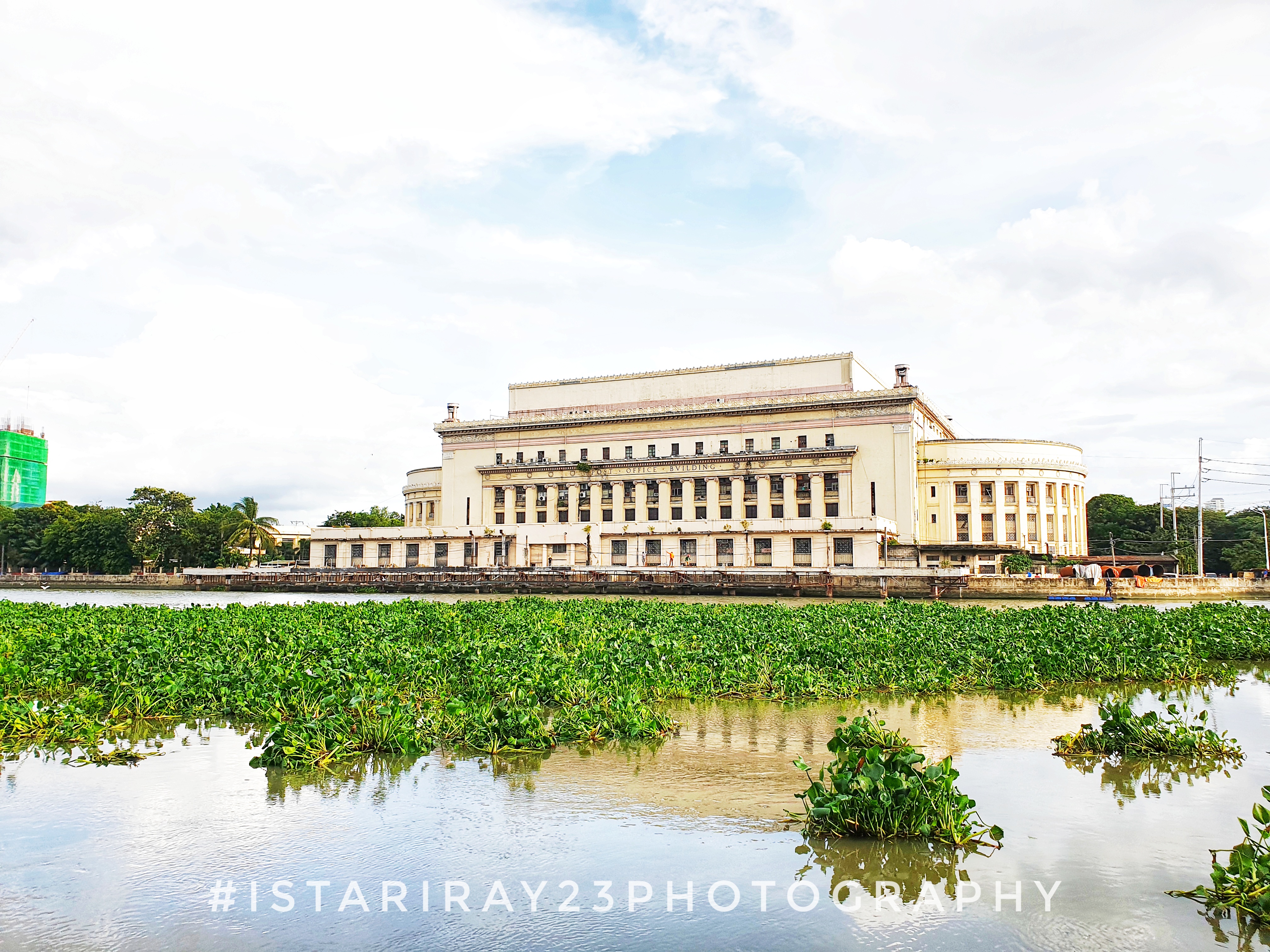
View from the other side of Pasig River with plenty of water lilies floating


The Manila Postal Office, also known as the Manila Central Post Office, stands as an emblem of both functional efficiency and architectural grandeur in the heart of Manila, Philippines. Designed by the esteemed Filipino architect Juan M. Arellano, this historic landmark serves as the headquarters of the Philippine Postal Corporation (PhilPost) and has become an icon of the city.

The construction of the Manila Postal Office commenced in 1926 and was completed in 1940, after years of meticulous planning and execution. The building itself is a testament to the neoclassical and beaux-arts architectural styles, reflecting an era when craftsmanship and attention to detail were paramount. Its imposing facade boasts an impressive display of Corinthian columns, ornate moldings, and a towering clock tower that commands attention from afar.


Beyond its aesthetic appeal, the Manila Postal Office serves a vital function in the country's postal system. As the central hub for mail processing and distribution, it plays a crucial role in connecting people across the archipelago and beyond. Each day, the diligent postal workers within its walls diligently sort and deliver thousands of letters, parcels, and packages, ensuring that messages are conveyed and goods reach their destinations promptly.


This esteemed institution has witnessed the ebb and flow of history, enduring significant events that have shaped the nation. During World War II, the Manila Postal Office withstood the ravages of conflict and stood as a symbol of resilience and hope amidst adversity. It serves as a tangible reminder of the indomitable spirit of the Filipino people, who, even in the face of hardship, continue to uphold the importance of communication and connection.


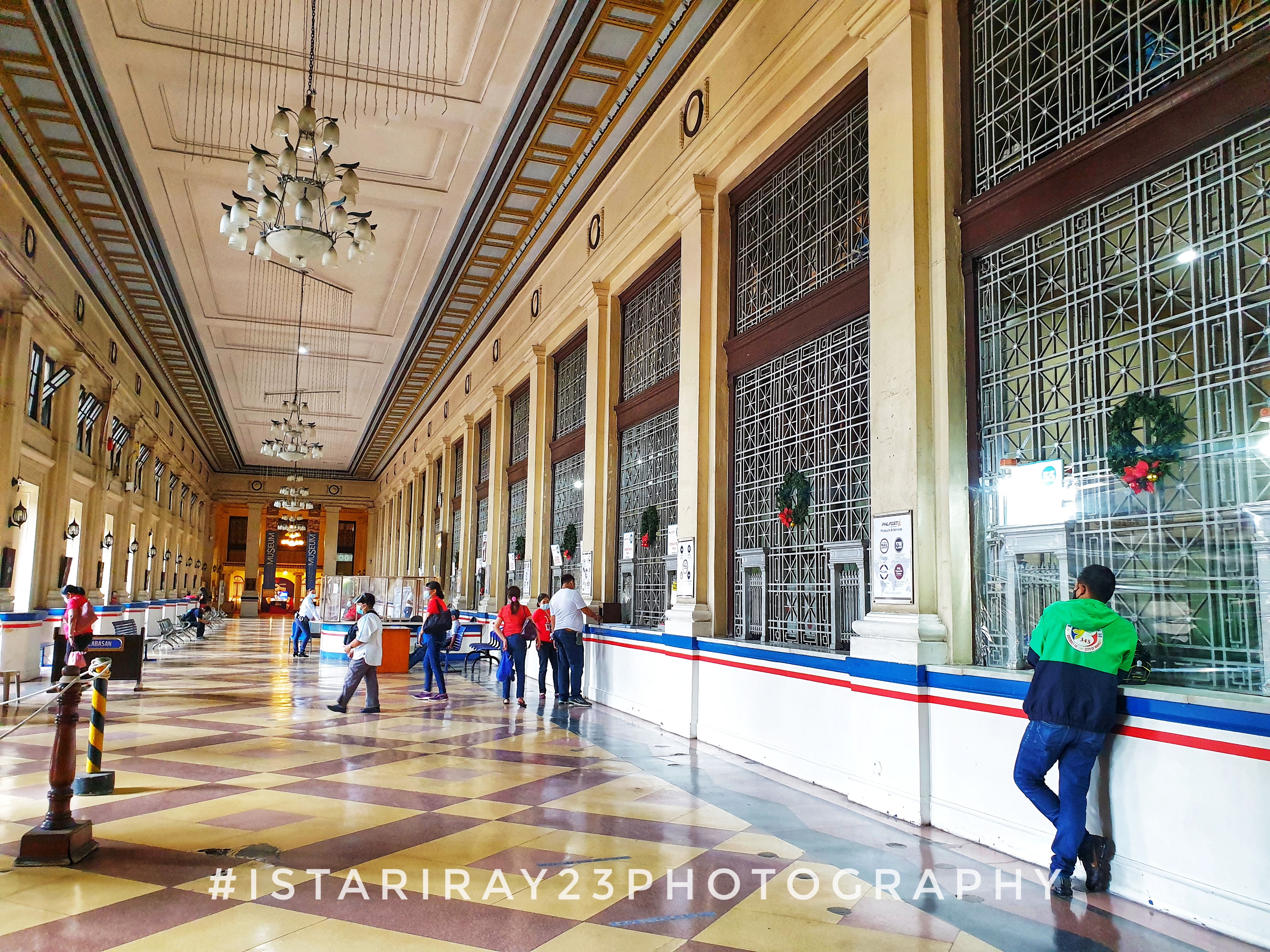
Visiting the Manila Postal Office offers an opportunity to immerse oneself in the beauty of its architecture and experience the captivating aura of its historical significance. Stepping inside, one is greeted by grand interiors, vast halls, and an air of nostalgia that transports visitors to a bygone era. The building's design reflects an era where the post office was not just a place of function but also a place of importance in the community, a physical representation of the ties that bind.


Moreover, tucked within its walls lies the National Postal Museum—a treasure trove of stamps, philatelic materials, and artifacts that provide insight into the evolution of the Philippine postal system. From vintage postage stamps showcasing historical events to exhibits detailing the intricate processes of mail delivery, the museum serves as a valuable educational resource for visitors of all ages.


The Manila Postal Office stands tall as a symbol of connection, communication, and a testament to the importance of preserving our cultural heritage. It continues to serve as a bridge between people, allowing them to overcome distances and share thoughts, emotions, and tangible goods. This architectural masterpiece embodies the core values of efficiency, reliability, and service that are the backbone of any successful postal system.


In conclusion, the Manila Postal Office is more than just a building—it is a cornerstone of Philippine history and culture. With its breathtaking architecture, rich history, and ongoing role in facilitating communication, it remains an enduring symbol of the vital role played by the postal service in connecting people. Whether it be through the delivery of mail or the preservation of heritage, the Manila Postal Office remains an integral part of the fabric of the nation, tirelessly continuing its mission to connect hearts and minds.


The Manila Postal Office at dark


#PostOffice,
#ManilaCentralPostOffice,
#TheManilaPostOffice,
#TheManilaCentralPostOffice,
#istariray23laboy,
#istariray23travel,
#istariray23moments,
#istariray23photography,


Tuesday, April 19, 2022

Makopa Tree


Our Makopa Tree in our front yard

Makopa, also known as the Malay apple or Syzygium malaccense, is a tropical fruit native to Southeast Asia. It is commonly found in countries like Malaysia, Indonesia, and the Philippines. The fruit is round and has a deep red or purple skin with a crunchy texture.


Makopa is often consumed fresh and is enjoyed for its juicy and slightly sweet taste. The flesh of the fruit is crisp and watery, similar to that of a pear, and it is typically eaten raw. Some people also use makopa in salads, jams, or jellies, as its natural sweetness adds flavor to these dishes.


Aside from its delightful taste, makopa is known for its nutritional benefits. It is a good source of fiber, vitamins A and C, as well as antioxidants, which help promote overall well-being and boost the immune system.


In traditional medicine, various parts of the makopa tree, including the leaves, bark, and roots, are believed to possess medicinal properties. Infusions made from these parts are often used to treat ailments like diarrhea, dysentery, and high blood pressure. However, it's important to note that the effectiveness of these traditional remedies hasn't been extensively studied.


Makopa trees are relatively easy to grow and can thrive in tropical climates. They require well-drained soil and regular watering. The tree produces fragrant, creamy-white flowers before bearing fruit, making it an attractive addition to a garden or landscape.

Overall, makopa is a refreshing and nutritious tropical fruit that brings delight to those who enjoy its unique flavor.


#Makopa,
#MalayApple,
#PunoNgMakopa,
#MakopaTree,
#istariray23moments,
#istariray23foodphotography


Thursday, April 14, 2022

Search This Blog

Other Post

Blog Archive